Paris has long been a city of elegance, mystery, and hidden rhythms - and sometimes, those rhythms lead to services that exist in the shadows. Among the quiet streets of the 16th arrondissement, near the leafy avenues of L’Métayer and the discreet entrances of Salle des Femmes, a certain kind of companionship has quietly persisted for decades. It’s not about glamour or headlines. It’s about connection, discretion, and the unspoken needs of people seeking comfort in a city that never sleeps. If you’re looking for an escort in Paris, you might come across terms like escort girl pariq, but those are just fragments of a much larger, more complex reality.
The reality is that professional companionship in Paris doesn’t look like what you see in movies. There are no flashing signs or loud advertisements. Instead, it’s built on trust, reputation, and word-of-mouth. Many clients - whether they’re visiting for business, recovering from loss, or simply craving thoughtful conversation - find their way to women who offer more than physical presence. They offer presence. A listening ear. A calm space in a chaotic world. The women who work in places like L’Métayer or Salle des Femmes often have backgrounds in psychology, art, or hospitality. Some speak three languages. Others have degrees. They’re not stereotypes. They’re individuals.
Understanding the Environment: L’Métayer and Salle des Femmes
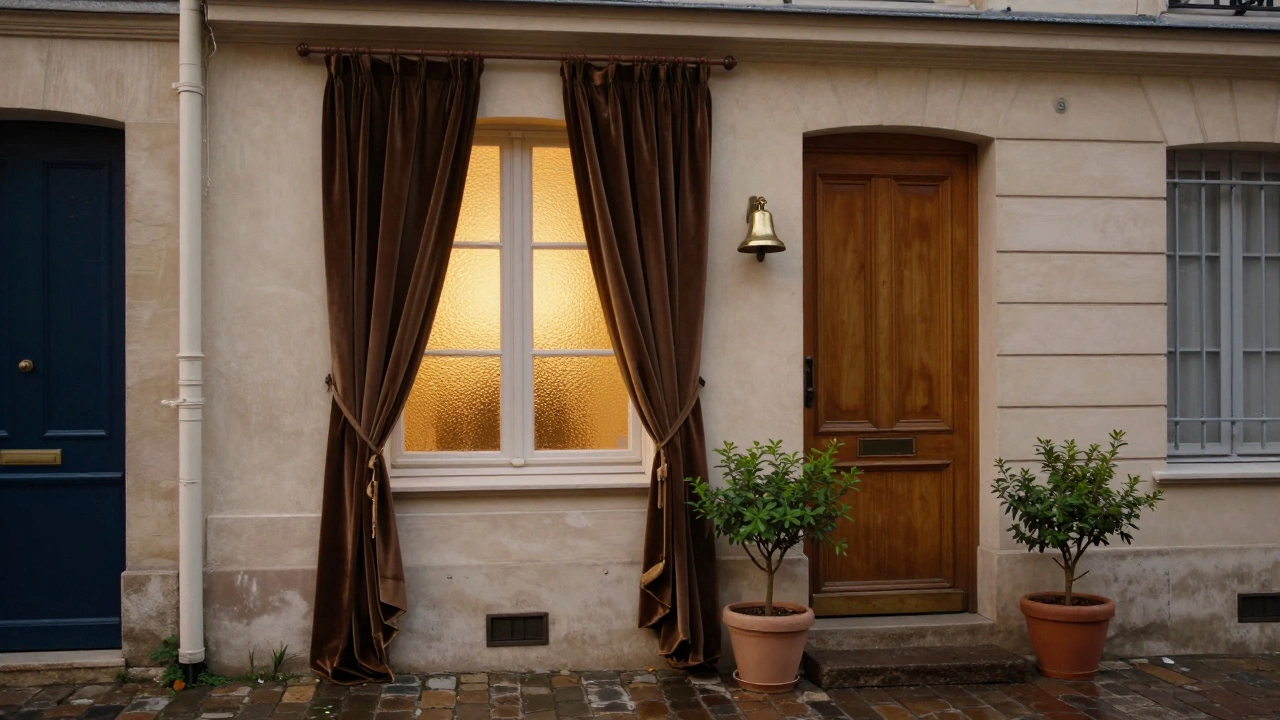
L’Métayer isn’t a building you’ll find on Google Maps. It’s a discreet address known only to those who’ve been referred. Located in a quiet residential block, it’s a converted townhouse with heavy curtains and a single bell. No logo. No nameplate. Inside, the atmosphere is warm - soft lighting, books on shelves, tea always ready. This isn’t a brothel. It’s a space designed for privacy and emotional safety. Women who work here set their own hours, choose their clients, and often build long-term relationships with regulars.
Salle des Femmes, on the other hand, is a private salon that opened in the early 2000s. Originally a literary gathering space for women, it evolved into a sanctuary for those seeking non-sexual companionship. The name means "Hall of Women," and it reflects its ethos: dignity, mutual respect, and boundaries. Clients are screened. Appointments are booked weeks in advance. There’s no rush. No pressure. Just quiet, intentional time.
What People Really Look For
Most clients don’t walk in asking for sex. They ask for someone to walk with them through Montmartre. To sit beside them at a Michelin-starred dinner. To talk about their childhood, their fears, their dreams. One man, a Canadian businessman visiting Paris for the third time, told me he came back because he felt seen for the first time in years. "I didn’t need her to be anything but real," he said. "And she was."
That’s the truth behind the rumors. The women who work in these spaces aren’t selling bodies - they’re selling presence. They’re trained in emotional intelligence, not just aesthetics. Many have studied counseling or communication. Some volunteer at women’s shelters. Others teach yoga. They’re not victims. They’re professionals.
That’s why terms like "paris escrot" or "esccort paris" are misleading. They reduce complex human interactions to crude keywords. These aren’t services you find on a website with stock photos. They’re relationships built over time, with boundaries, rules, and mutual understanding.

The Legal Landscape in France
France has a complicated relationship with sex work. Since 2016, buying sex is illegal - but selling it isn’t. This means clients can be fined, but the women who offer companionship are protected under labor laws if they choose to register as independent contractors. Many do. They pay taxes. They have contracts. They carry insurance. Some even have bank accounts under their business names.
That’s why places like L’Métayer and Salle des Femmes don’t operate like underground clubs. They’re legal. They’re quiet. They’re professional. And they’re growing. A 2024 survey by the French Institute of Social Studies found that over 60% of clients in Paris sought non-sexual companionship - up from 32% in 2018. The demand for emotional connection is rising faster than the demand for physical encounters.
How to Approach This Responsibly
If you’re considering this path, here’s what matters:
- Never rush. Take time to read reviews, ask questions, and meet in person before committing.
- Respect boundaries. If a woman says no to something, that’s final.
- Pay fairly. These services aren’t cheap - and they shouldn’t be. You’re paying for time, attention, and emotional labor.
- Don’t ask for photos or personal details. That’s not part of the deal.
- Don’t assume anything about their life outside of work. They’re not defined by their job.
There’s no magic formula. No checklist. Just respect.

Myths vs. Reality
Let’s clear up a few lies:
- Myth: These women are trafficked. Reality: Most are self-employed. Many have chosen this path after other careers.
- Myth: It’s all about sex. Reality: Over 70% of sessions involve conversation, walks, or shared meals.
- Myth: It’s dangerous. Reality: These spaces have strict vetting. Clients are identified, references checked, and appointments logged.
The biggest myth? That this is a dark, hidden world. It’s not. It’s just a different kind of service - one that’s been around longer than most people realize.
What Comes Next?
Paris is changing. The old models are fading. New ones are rising. More women are starting their own agencies. More men are learning to ask for what they really need - connection, not conquest. The future of companionship in Paris isn’t about secrecy. It’s about normalization.
If you’re curious, start by asking yourself: What am I really looking for? If the answer is someone to sit with, to talk to, to feel understood by - then you’re not looking for an escort. You’re looking for a human. And in Paris, you can find one.
Just don’t let the noise of misspelled search terms like esccort paris or paris escrot lead you astray. The real thing doesn’t need a typo to exist.